
 English
 Pусский


Article Overview: This article addresses common questions that procurement and engineering teams ask when evaluating packaging films for disposable cup, bowl, and food container lines. It covers film types, sealing behavior, thickness considerations, and practical procurement checkpoints to help build a solid technical foundation before comparing suppliers or equipment.
What Are the Most Common Types of Packaging Film Used in Paper Cup Lines?
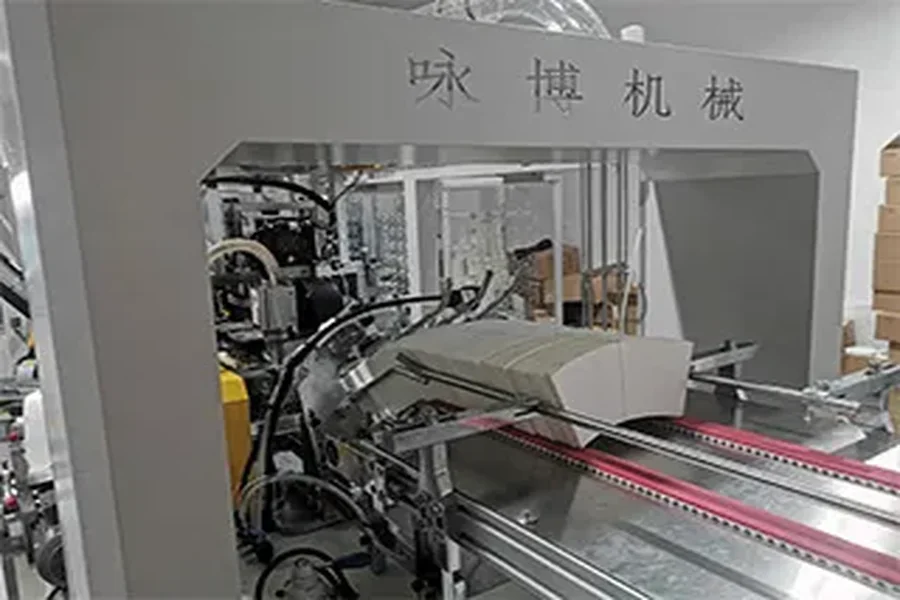
Packaging film for paper cups and bowls is typically a flexible roll stock applied downstream of the forming process. The primary films used in the industry include:
- Polyethylene (PE) film – most common for heat-sealing paper cup stacks into sleeves or bundles. Offers good moisture barrier and low-temperature sealing.
- Polypropylene (PP) film – used when higher clarity and stiffness are required. Often specified for retail-oriented bundles.
- Laminated films (e.g., PET/PE) – combine a polyester outer layer for printability and puncture resistance with a PE sealant layer. Common for multi-pack overwrap.
- Biodegradable films (PLA-based) – gaining traction in markets with compostability mandates. Require tailored sealing parameters and often lower line speeds.
- Stretch or shrink wrap – used for tray or pallet-level packaging, not for individual cup sleeves.
Each film type has a specific coefficient of friction, seal initiation temperature, and slip profile. Matching film characteristics to the packaging machine's sealing system – whether a vertical carton packer or a horizontal four-station system – is critical for consistent throughput. For example, packing machines designed for paper cups typically require a seal bar temperature range of 120–180°C depending on the film gauge and structure.
How Does Film Selection Affect Sealing Quality and Line Efficiency?
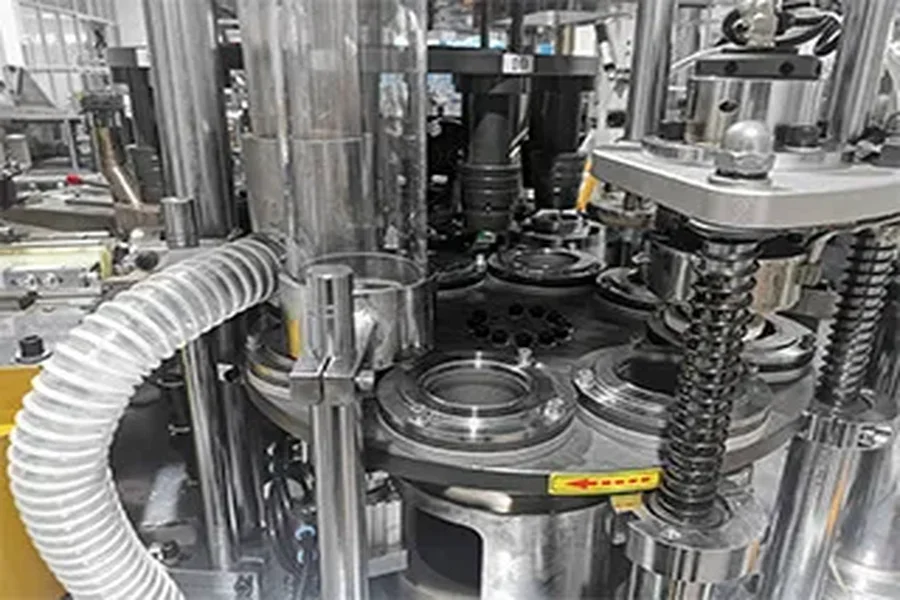
Seal quality is a direct function of three variables: temperature, pressure, and dwell time. Films with a narrow sealing window demand tighter machine control. If the film is too thick or has an incompatible sealant layer, incomplete seals or burn-through can cause leakers and rework.
Key points for evaluating seal performance:
- Seal strength – measure in N/15mm; minimum 8 N/15mm is typical for cup sleeve packaging.
- Hot tack – the ability of the seal to hold before cooling. Low hot tack causes pop-opens on the conveyor.
- Seal through contamination – important if cups have residual moisture or dust. Laminated films with thicker sealant layers perform better.
Efficiency impact: A film that causes 0.5% more rejects on a line running at 130 cups per minute can cost thousands of dollars per shift in wasted material and machine stoppages. Therefore, procurement teams should request seal curves from the film supplier and validate them on the actual paper cup machine before committing to large orders.
Why Is Film Thickness and Layering Important for Product Protection?
Film thickness, measured in microns (µm), directly influences puncture resistance, moisture vapor transmission rate (MVTR), and stiffness. A typical PE sleeve film is 25–40 µm, while laminated overwrap films range from 30–60 µm. Thicker films provide better protection but increase material cost and reduce the number of sleeves per roll, requiring more frequent roll changes.
Multi-layer films allow engineers to combine properties: a 3-layer co-extruded film might have a sealing layer (e.g., metallocene PE), a bulk layer for strength, and a skin layer for printability or low coefficient of friction. For high-speed paper cup machines, lower friction films reduce drag through the forming and sealing stations, enabling sustained line speeds.
An example scenario: A manufacturer switching from a 30 µm single-layer PE to a 35 µm co-extruded PE film reduced wrap breakage by 12% while maintaining the same seal temperature profile, as reported in internal production trials. Individual results vary based on machine condition and cup geometry.
Key Considerations for Film Procurement

When evaluating packaging film suppliers, engineering and procurement teams should systematically check the following parameters:
- Seal initiation temperature (SIT) – must match the heat control range of your packaging line. A spread of ±5°C is acceptable for most machines.
- Film roll width and core size – ensure compatibility with unwind mandrels and tension controls.
- Slip and anti-static properties – critical for automatic feeding on four-station horizontal packaging machines.
- Biobased or recyclable certifications – request test reports for industrial compostability if targeting eco-label markets.
- Roll weight and splicing method – automatic splicing reduces downtime; verify if your machine has a splicing table.
- Lot-to-lot consistency – ask for statistical process control (SPC) data on seal strength and gauge variation.
Many of these items can be verified with a simple trial run on a paper bowl machine or cup line before signing a supply agreement.
FAQ
What is the difference between heat seal and cold seal packaging film?
Heat seal films require thermal activation to bond, while cold seal films use pressure-sensitive adhesive. Cold seal is faster and energy-efficient but has lower long-term bond strength and higher cost per unit area. It is rarely used in paper cup sleeve packaging; heat seal dominates this segment.
How do I know if a film is compatible with my existing packaging machine?
Check the machine's seal bar temperature range, dwell time adjustment, and film tension limits. Request a film datasheet and compare the recommended sealing conditions to the machine's capabilities. Most packaging machine manufacturers, such as those supplying integrated packaging solutions, provide specification tables for accepted film types.
Can I use the same film for both paper cups and paper bowls?
Often yes, but film width must be adjusted for larger-diameter bowls. Cup films are typically narrower (150–250 mm) while bowl films can be 300–400 mm wide. Seal strength requirements are similar. However, bowl packaging frequently requires a heavier gauge film (40–50 µm) to prevent corner punctures.
What should I do if my film keeps breaking during production?
First, check film tension and seal bar temperature – excessive heat weakens the film. Next, measure film thickness variation; gauge bands above ±5% can cause uneven stress. Also inspect machine rollers for burrs or worn bearings. If the problem persists, consult the film supplier for a formulation with higher puncture resistance or lower elongation.
Conclusion
Packaging film is a deceptively simple component that directly affects line uptime, package integrity, and total cost of ownership. By understanding the differences between film types, the physics of sealing, and the key procurement parameters, technical buyers can make informed decisions that reduce trial-and-error on the production floor. For further guidance on integrating film specifications with your forming and packaging equipment, refer to the applications section tailored to specific container formats and line speeds.