

 English
 Pусский


Article Overview: Learn how to evaluate packaging film suppliers, prepare RFQs, and avoid common procurement mistakes. A practical checklist for sourcing teams and decision-makers.
Article Overview: Packaging film is a critical input for countless industries, yet procurement teams often encounter challenges in aligning supplier capabilities with actual production needs. This guide provides a neutral, buyer-focused overview of packaging film types, key applications, and the evaluation criteria that matter most when preparing an RFQ. Whether you are sourcing for food packaging, industrial wrapping, or specialized barrier films, understanding the landscape—and the common gaps—can reduce risk and improve supplier fit.
Understanding Packaging Film: Types and Common Applications
Packaging film is not a single material; it spans a wide range of structures, each designed for specific performance requirements. The most common types include:
- Polyethylene (PE) films – widely used for stretch wrap, shrink film, and pouch applications due to flexibility and moisture resistance.
- Polypropylene (PP) films – known for clarity and stiffness, often used in snack packaging and labels.
- Polyester (PET) films – valued for strength and heat resistance, common in food trays and lidding.
- Multi-layer and laminated films – engineered to combine barrier properties (oxygen, moisture, light) for extended shelf life.
- Biodegradable and compostable films – emerging alternatives for brands seeking sustainable packaging.
The choice of film depends on the product being packaged, the required shelf life, handling conditions, and end-of-life considerations. For example, a food service operation packaging hot soup may require a heat-resistant laminated film, while a logistics company wrapping pallets may prioritize puncture-resistant PE stretch film. Common application sectors include food and beverage, pharmaceuticals, consumer goods, and industrial components. Each sector imposes different regulatory and performance standards, which must be reflected in the supplier’s capabilities.
Who Buys Packaging Film and What They Need
The buyer persona for packaging film typically includes procurement managers, sourcing engineers, and packaging development leads. Their primary concerns center on three dimensions:
- Technical fit – Does the film meet seal strength, clarity, barrier, and machinability requirements?
- Supply reliability – Can the supplier consistently deliver the required volume, lead time, and quality?
- Cost competitiveness – Is the price per unit or per square meter within budget without sacrificing critical properties?
However, many buyers overlook two important aspects: the supplier’s experience with similar end-use applications and their ability to provide technical support during validation. For instance, a buyer sourcing film for a new high-speed packaging line should verify that the film’s coefficient of friction (COF) and thickness tolerance are compatible with the machinery. A mismatch can lead to frequent downtime or product waste.
Example scenario: A procurement manager at a bakery chain needs heat-sealable film for wrapping bread bags. The film must be food-grade, have good printability for branding, and run on vertical form-fill-seal machines. In this case, the buyer would benefit from a supplier who not only supplies the film but also understands the sealing temperature profiles and line speeds of the equipment. This is a gap that can be filled by choosing a supplier with integrated machinery knowledge.
Key Procurement Checkpoints for Packaging Film RFQs
When drafting an RFQ for packaging film, include the following specifications to avoid ambiguity and rework:
- Material structure – Specify the exact film type (e.g., 3-layer co-extruded PE) or performance requirements if the structure is flexible.
- Dimensions and tolerances – Width, length, thickness, and permissible variation. Tight tolerances are critical for automated packaging lines.
- Mechanical properties – Tensile strength, elongation, tear resistance, and puncture resistance.
- Optical properties – Clarity, haze, gloss, and color if needed for branding.
- Sealability – Seal initiation temperature, hot tack, and seal strength. Include test standards.
- Barrier requirements – Oxygen transmission rate (OTR), water vapor transmission rate (WVTR), and any light or aroma barriers.
- Regulatory compliance – Food contact certifications (FDA, EU 10/2011), REACH, or local standards.
- Packaging and delivery – Roll width, core size, winding direction, and palletization.
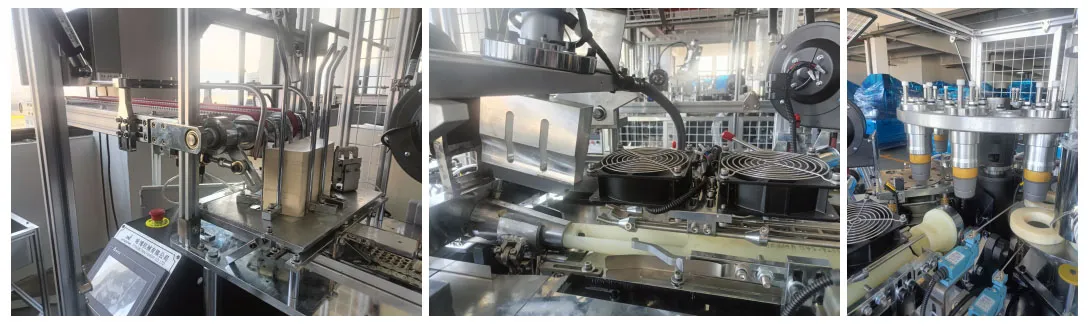
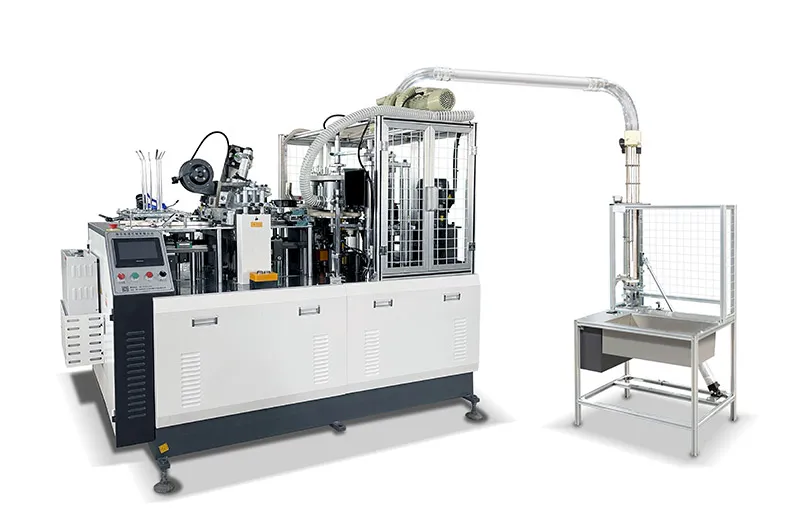
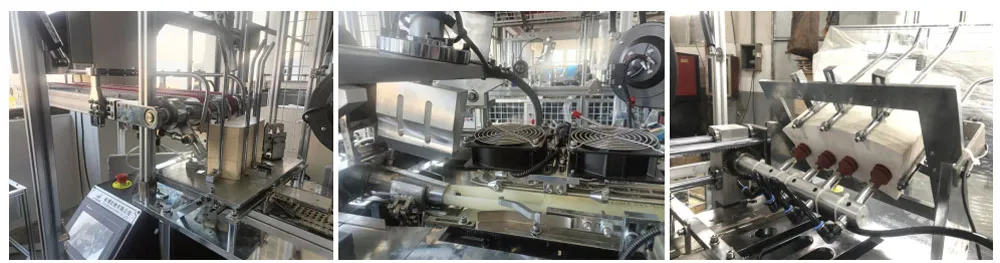
Beyond the technical list, ask suppliers for their quality management system (e.g., ISO 9001) and process capability indices for key parameters. A supplier with documented SPC data demonstrates control over their production. Additionally, request samples for trial runs under your actual line conditions. Do not rely solely on data sheets. For buyers new to film procurement, understanding how film interacts with forming equipment is helpful. For example, paper cup machine specifications illustrate the kind of film feeding and registration precision required in automated packaging.
Evaluating Suppliers: Beyond Price and Specifications
Price is often the first comparison, but total cost of ownership (TCO) includes yield, changeover waste, and line efficiency. A slightly more expensive film that runs with fewer jams can save more in the long run. Therefore, supplier evaluation should include:
- Production scalability – Can the supplier handle your peak demand without compromising lead times?
- Technical support – Do they have application engineers who can troubleshoot on-site or remotely?
- Innovation capability – Are they investing in new materials (e.g., bio-based films) that may become regulatory or market requirements?
- Quality consistency – What is their defect rate, and how do they handle non-conforming material?
Visit the supplier’s facility if possible, or at least conduct a virtual audit. Ask about their raw material sourcing, storage conditions, and how they handle recycled content. A supplier’s commitment to sustainability can affect your brand’s ESG goals and future compliance. It is also wise to assess the supplier’s financial health and customer references. Example: a buyer of laminated film for pharmaceutical blisters should verify that the supplier has experience with cleanroom-compatible materials and has passed audits from major pharma companies.
Bridging the Gaps: What to Validate Before Purchase
Even after selecting a supplier, gaps can emerge during production ramping. Common pitfalls include:
- Incompatibility with machinery – The film may have different slip properties or static charge that affects feeding. Validate on your equipment before full-scale order.
- Inconsistent thickness – Gauge variation can cause sealing issues or weak spots. Request a statistical thickness report.
- Storage and shelf life – Some films degrade over time; confirm acceptable storage conditions and expiration.
- Print registration – If pre-printed, the print-to-cut register must match your packaging machine’s sensor tolerances.
To bridge these gaps, create a validation checklist that includes a pilot run, documented measurement of key properties, and sign-off from both your production and quality teams. Establish a clear communication protocol with the supplier for any deviations. For example, a buyer using a vertical form-fill-seal machine should perform a sealing trial with the candidate film at varying temperature and pressure settings. Record the seal strength and visual defects. This data will inform the process window and reduce risk during regular production.
If you are also sourcing packaging machinery, consider integrated solutions where the machine manufacturer can recommend suitable films. For instance, medium-speed paper cup machine designs often incorporate precise film handling into the system.
Frequently Asked Questions (FAQ)
- What is the most common packaging film for food? – Polyethylene (PE) and polypropylene (PP) are widely used. For barrier requirements, multi-layer laminates with EVOH or metallized layers are common.
- How do I determine the right film thickness? – Thickness depends on product weight, puncture risk, and seal requirements. Start by analyzing your current film’s performance and then consult data sheets for alternatives.
- Should I choose a co-extruded or laminated film? – Co-extrusion is generally more cost-effective for simple layers, while lamination allows combining diverse materials (e.g., aluminum foil). Your choice depends on the specific barrier and mechanical needs.
- How can I ensure consistent supply? – Diversify sources or negotiate backup supply agreements. Evaluate the supplier’s raw material inventory and production capacity.
- What questions should I ask a new film supplier? – Ask about their quality system, test methods, typical defect rates, handling of claims, and experience with similar applications.
Conclusion
Procuring packaging film is a multi-faceted task that goes beyond comparing price lists. By understanding the material landscape, defining clear RFQ parameters, and evaluating suppliers holistically, you can reduce the risk of costly mismatches. A checklist mindset—from initial specification through production validation—helps ensure that the film you choose fits your product, machinery, and business goals. Use the guidance in this article to structure your next packaging film evaluation and move forward with confidence. For additional insights on film handling in automated packaging, explore related packing machine solutions.