

 English
 Pусский


Article Overview: Compare thickness, tensile strength, and heat seal performance of packaging films for paper cup and bowl lines. A buyer-side evaluation framework for CTOs and procurement teams.
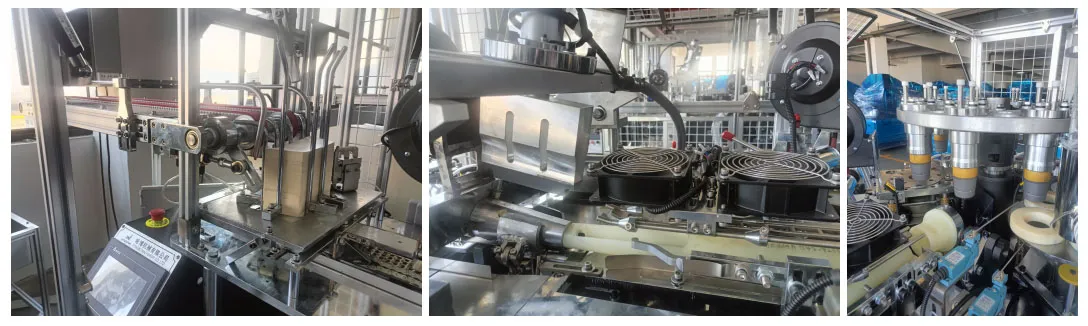
Article Overview: Selecting the right packaging film for paper cup and paper bowl production lines is a critical procurement decision that affects sealing quality, machine uptime, and overall packaging cost. This article provides a technical comparison of three essential film properties—thickness, tensile strength, and heat seal performance—and offers a buyer-side decision framework. It explores how these indicators interact with different packaging machine types, including vertical and horizontal configurations, and highlights trade-offs that procurement teams and technical architects must weigh.
1. Film Thickness: Balancing Barrier, Cost, and Machine Compatibility
Film thickness is often the first specification considered in packaging film procurement. Thicker films generally offer better barrier properties against moisture and oxygen, which is essential for maintaining the freshness of food products in paper cups and bowls. However, thickness also directly impacts material cost and machine compatibility.
From a technical standpoint, the film must be thick enough to withstand the mechanical stresses of the packaging process without tearing, yet thin enough to allow efficient heat transfer during sealing. For example, films used in automatic vertical packaging machines—such as those described in the packing machine product line—require precise thickness tolerances to ensure consistent feeding and forming. Thicker films may cause jams or uneven folds in high-speed operations, while overly thin films risk pinholes and seal failures.
Common thickness ranges for paper container packaging films fall between 20 and 60 microns. A thickness of 30 to 40 microns often provides a practical compromise for standard paper cup lines, offering adequate barrier without compromising machine speed. However, for double-wall cups or large bowls, slightly thicker films (40–50 microns) may be necessary to maintain structural integrity during stacking and transport.
Buyers should request thickness data from suppliers and verify it using a micrometer under controlled conditions. Additionally, consider that thickness uniformity across the film roll is equally critical—variations can lead to inconsistent sealing and wasted material.
2. Tensile Strength: Withstanding Tension and Handling Stress
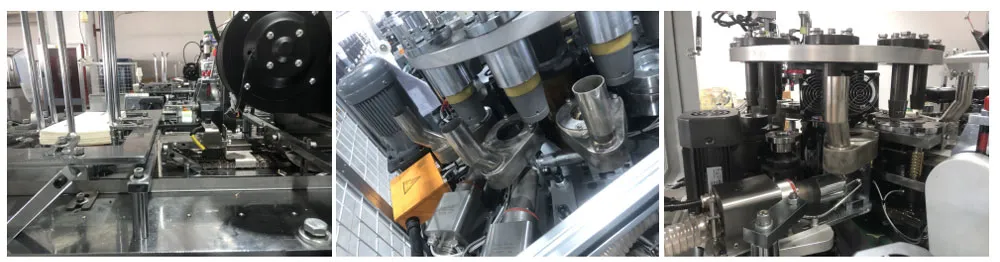
Tensile strength determines how well a packaging film can resist stretching and tearing under the tension applied during unwinding, forming, and sealing. In a typical packaging line, the film passes through multiple rollers and tension zones; if the film’s tensile strength is insufficient, it can elongate, distort, or break—causing production stoppages and waste.
For paper container packaging, the film must also handle the stress of being wrapped around the cup or bowl and sealed at the bottom or side. Evidence from site documentation indicates that “film tension control is a key factor in packaging machine adjustment.” This is especially true for machines like the paper cup machine series, where precise tension management ensures consistent bag formation.
Comparison criteria: Films with higher tensile strength (measured in MPa or N/15mm) are preferable for high-speed lines where tension spikes are common. However, overly strong films can be less flexible and may require higher sealing pressures. A balanced approach is to look for films with a tensile strength in the range of 20–50 MPa, depending on the specific machine design. Procurement teams should request tensile strength test reports and correlate them with the machine’s tension settings.
Trade-off: Films reinforced with additional layers (e.g., biaxially oriented polypropylene) offer higher strength but at increased cost. For standard paper cup lines, a mono-layer film with moderate tensile strength often suffices, while large bowl or popcorn bucket lines may benefit from co-extruded films with improved tear resistance.
3. Heat Seal Performance: Temperature, Pressure, and Seal Integrity
Heat seal performance is arguably the most critical indicator for packaging film in paper container applications, as it directly determines the integrity of the cup or bowl closure. The seal must be strong enough to contain products and resist leakage during handling and storage, yet openable by the end user when required.
The heat sealing process involves three parameters: temperature, pressure, and dwell time. Films with a lower seal initiation temperature (SIT) can reduce energy consumption and allow faster line speeds. However, they may also be more prone to seal contamination or blocking. Conversely, films with a higher SIT provide a wider sealing window but require more precise temperature control.
For example, horizontal packaging machines with anti-air bag functionality—such as the paper bowl machine—demand films that seal reliably even when air evacuation is involved. The film must form a consistent seal around the bowl rim without delaminating. Evidence notes that horizontal packaging machines in the Yongbo lineup “are equipped with anti-air bag function, which is directly related to film sealability.”
Buyers should evaluate heat seal performance using a heat seal tester that replicates the machine’s conditions. Look for films that achieve a seal strength of at least 8-10 N/15mm for standard applications. Also consider the hot tack property—the ability of the seal to hold immediately after sealing, before cooling. For high-speed lines, good hot tack is essential to prevent open seals as the package moves through the conveyor.
4. Comparative Evaluation: How Film Properties Interact with Packaging Machine Types
While each indicator is important individually, the real-world performance of a packaging film depends on how these properties interact with the specific packaging machine configuration. Vertical packaging machines (VFFS) typically require films with higher tensile strength due to the vertical drop of the product and the pulling force of the forming tube. Horizontal packaging machines, on the other hand, prioritize heat seal performance and film flexibility to wrap around irregular shapes like bowls or popcorn buckets.
For instance, a film that works well on a high-speed paper cup forming line may fail on a double-wall cup machine if the film thickness is not optimized for the secondary forming stage. Conversely, a film optimized for heat seal on a horizontal machine may have inadequate tensile strength for a vertical line that runs at 200 cups per minute.
Example scenario (hypothetical): A procurement team sourcing film for a new automatic bowl machine might focus on heat seal performance first, given the complex geometry of the bowl rim. They would then check that the film’s thickness is within the machine’s specification and finally verify tensile strength against the tension profile. This sequential evaluation ensures that the film meets the most critical requirement before considering cost trade-offs.
Buyers should request sample films and conduct trial runs on their actual machines, measuring seal strength, film breakage rate, and waste percentage. Such empirical data provides the most reliable basis for comparison and selection.
5. Decision-Making Checklist for Film Procurement Teams
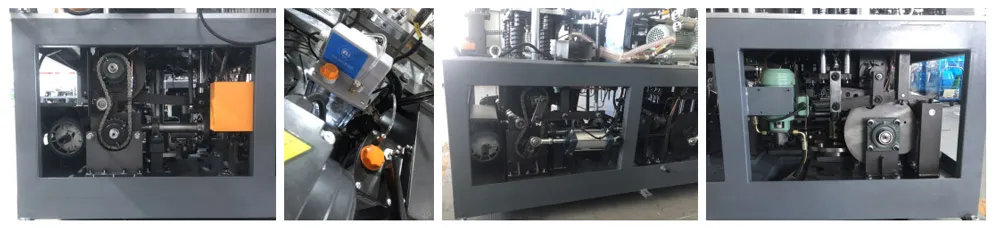
To help buyers compare options objectively, we provide the following checklist based on the three key indicators and machine interaction:
- Define machine type and speed: Identify whether the packaging line uses vertical or horizontal forming, and note the maximum speed. Refer to the machine specifications from product documentation.
- Prioritize film properties: For vertical machines, prioritize tensile strength and thickness uniformity. For horizontal machines, prioritize heat seal performance and flexibility.
- Request supplier data: Obtain thickness range (average and tolerance), tensile strength (MD and CD), and seal initiation temperature for each candidate film.
- Conduct trial runs: Test at least two film candidates on the actual machine under typical production conditions. Measure seal strength, machine speed consistency, and defect rates.
- Evaluate total cost: Include not only film price per kilogram but also waste rates, machine downtime, and energy consumption associated with sealing temperature.
- Check supplier reliability: Ensure the supplier can maintain consistent quality across batches. Request certificates of analysis for each roll delivered.
By following this checklist, procurement teams can reduce the risk of selecting a film that performs poorly in production, leading to costly rework or line stoppages.
Frequently Asked Questions (FAQ)
What is the ideal film thickness for paper cup packaging?
The ideal thickness depends on the cup size and machine speed. For standard single-wall cups, 30–40 microns is common. Double-wall cups or larger containers may require 40–50 microns. Always verify with the packaging machine manufacturer’s recommendation.
How do I test film tensile strength for my line?
Use a universal testing machine to measure tensile strength in both machine direction (MD) and cross direction (CD). Compare results to the minimum tension requirements of your packaging machine, which can be obtained from the machine’s technical manual.
Can a film with good heat seal performance compensate for low tensile strength?
Not entirely. While a strong seal is critical, low tensile strength can cause film breakage during high-speed operation. The two properties must be balanced. If the line runs slowly, seal performance may be the bigger factor; but for high-speed lines, tensile strength cannot be compromised.
What is the difference between seal initiation temperature and seal strength?
Seal initiation temperature (SIT) is the minimum temperature at which the film begins to seal. Seal strength is the force required to break the seal after it is formed. Both are important: a low SIT can improve line speed, while high seal strength ensures package integrity. Buyers should balance both based on their product requirements.
Should I use the same film for all paper container sizes?
Not necessarily. Larger containers (e.g., popcorn buckets) may require thicker films with higher tensile strength to support the weight and stacking forces. It is often more cost-effective to maintain two or three film specifications for different product categories rather than using a one-size-fits-all approach.
Conclusion
Selecting the right packaging film for paper container lines is a multi-faceted decision that goes beyond price alone. By focusing on the three key indicators—thickness, tensile strength, and heat seal performance—and understanding how they interact with different packaging machine types, procurement teams and technical architects can make informed, objective comparisons. The decision framework outlined above helps evaluate trade-offs, identify non-fit cases early, and reduce operational risk. Whether upgrading an existing line or commissioning new equipment, a structured film selection process will lead to better sealing quality, higher line efficiency, and lower total cost of ownership.