
 English
 Pусский


Article Overview: This guide helps procurement managers and decision-makers evaluate packaging film specifications for cup and bowl packaging lines. It covers critical parameters, configuration differences, supplier fit, procurement checkpoints, cost-risk tradeoffs, and actionable next steps to avoid costly production disruptions.
Why Film Selection Matters for Your Packaging Line
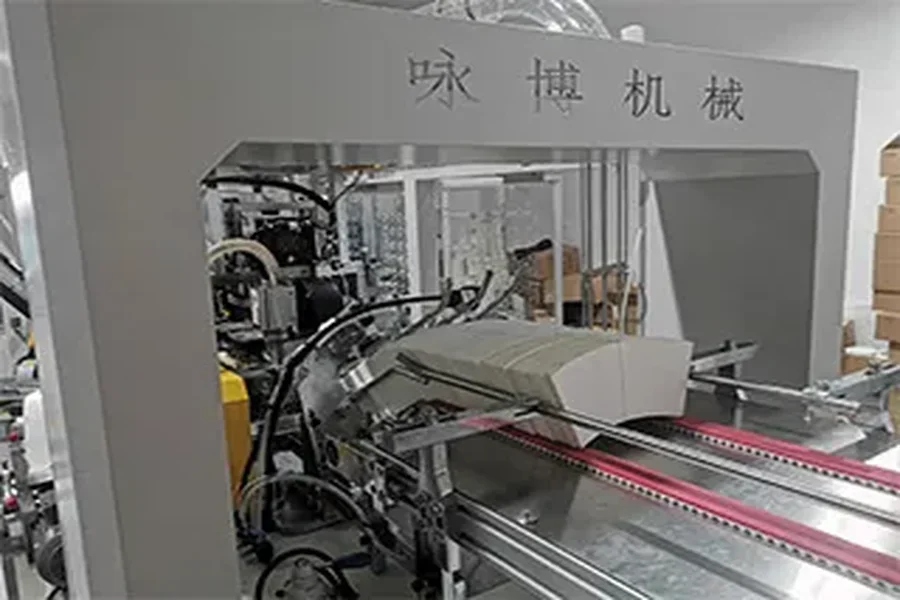
Packaging film is the interface between your product and the end user. For cup and bowl lines, the wrong film can cause sealing failures, machine downtime, or compromised shelf life. Procurement teams must balance material cost against performance, while verifying compatibility with existing forming and sealing equipment. This section outlines the core film properties that directly impact line efficiency and output quality.
Key Film Parameters to Verify
- Thickness (micron): Typically 20–50 microns for cup lidding; thicker films (60–80 microns) for bowl overwraps.
- Seal initiation temperature: Must match your machine’s heat seal profile. Low-temperature films reduce energy use but may require different seal bar coatings.
- Oxygen and moisture barrier: For products requiring extended shelf life, specify EVOH or coated films. Validate through supplier data sheets and third-party tests.
- Film slip and anti-static properties: High slip reduces friction during unwind; anti-static prevents dust attraction and jams.
For a deeper look at forming machinery that handles these films, explore the Paper Cup Machine and Paper Bowl Machine pages on our site.
How Do You Evaluate Supplier Fit?

Supplier evaluation goes beyond price. Use these checkpoints to ensure a reliable partnership:
- Technical capability: Does the supplier offer custom formulations (e.g., matte finish, easy-peel, or high-clarity)? Request sample rolls for trial.
- Production capacity: Can they meet your volume without lead time slippage? Ask for capacity certificates and recent order references.
- Quality management: ISO 9001 or equivalent; in-house testing for seal strength, coefficient of friction, and dimensional consistency.
- Regulatory compliance: For food contact, verify FDA/EU compliance and migration test reports.
Aligning with a supplier that understands your line’s speed and film handling is critical. The High Speed Paper Cup Machine and Medium Speed Paper Cup Machine pages illustrate how machine design interacts with film characteristics.
What Are the Procurement Checkpoints?
When issuing an RFQ, include these specification fields to avoid ambiguity:
| Parameter | Option A (Standard) | Option B (Advanced) |
|---|---|---|
| Film structure | Single-layer PE or PP | Multi-layer coextrusion (e.g., PET/PE/EVOH) |
| Seal type | Heat seal (250–300°F) | Cold seal or ultrasonic seal |
| Thickness tolerance | ±5% | ±2% |
| COF (coefficient of friction) | 0.3–0.4 (dynamic) | 0.2–0.3 (dynamic), with anti-static |
| Oxygen transmission rate | Varies by configuration | <50 cc/m²/day (for high barrier) |
| Moisture vapor transmission rate | Varies by configuration | <5 g/m²/day |
| Roll width and core size | Standard 3-inch core; width as per machine | Custom core (6-inch) to reduce splices |
| Print registration | Unprinted or spot print | Multi-color gravure or flexo with registration marks |
Note: “Varies by configuration” indicates you should validate against your specific machine and product requirements.
Additionally, request a sample roll for on-site testing. Document seal strength, visual defects, and runnability at your line speed.
Cost‑Risk Tradeoffs in Film Selection
Every upgrade in film performance comes with a cost premium. Base your decision on product value and shelf‑life needs.
- Thicker films increase material cost but reduce tear risk and improve seal integrity. For high-volume lines, even a 2‑micron increase can raise annual spend significantly.
- High‑barrier films (e.g., with EVOH) can double material cost. Only justify if your product requires >6 months shelf life or sensitivity to oxygen/moisture.
- Custom printed films add setup and plate charges; ensure minimum order quantities are aligned with your inventory strategy.
- Low‑temperature seal films may reduce energy consumption but require careful tuning of seal dwell time and pressure.
Mitigate risk by negotiating price breaks on volume commitments and securing a secondary supplier as backup. Explore ancillary equipment like the Packing Machine range that can integrate with film unwind and feeding systems.
Implementation Outcomes and Next‑Step Actions
After selecting a film, plan the rollout:
- Conduct a pilot run on a single machine to validate seal quality, speed, and scrap rate.
- Train operators on film handling and machine adjustments (e.g., seal bar temperature, tension, unwind brake).
- Establish incoming QC checks for thickness, COF, and seal strength per batch.
- Set up a performance review after one month of production: track downtime, defect rates, and film waste.
- Optimize inventory levels based on lead time and consumption rate; consider consignment stock agreements with your supplier.
For a complete packaging line solution, review the Products page to see how film unwinders and seal systems integrate with cup and bowl formers.
Frequently Asked Questions (FAQ)
What is the most critical film parameter for a high‑speed cup line?
The seal initiation temperature and dwell time must match your machine’s thermal profile. If the film requires higher heat than your seal bars can deliver, you risk incomplete seals or slowed line speed. Always request a machine simulation test.
How can I reduce film waste during changeovers?
Use films with printed registration marks to automate alignment, and specify rolls with minimized splices. Consider wide-format rolls if your machine can handle them; fewer roll changes reduce waste.
Should I choose a local or global film supplier?
Local suppliers offer faster service and lower freight risk but may have limited barrier technology. Global suppliers provide broader technical support and consistent quality across sites. Evaluate based on your production geography and required certification.
What are the hidden costs of switching film grades?
Switching can require new seal bar tooling, adjustment of dwell settings, and operator retraining. There may also be scrap during the transition. Budget for a qualification period of 2–4 weeks.
Conclusion
Selecting the right packaging film requires a structured approach: define critical parameters, evaluate suppliers against technical and capacity criteria, use a detailed RFQ checklist, and weigh cost against risk. Following the checkpoints above will help you avoid line stoppages and ensure consistent output quality. Next step: Download our RFQ template, contact potential suppliers with clear specifications, and schedule a pilot test. For additional insights into compatible forming and packing machinery, visit the Home page at Yongbo Machinery.