
 English
 Pусский


Article Overview: Selecting and implementing packaging film for paper cup, bowl, and container production involves technical, operational, and supply-chain decisions. This article provides an objective comparison of common packaging film approaches, highlights implementation pitfalls, and offers a framework for evaluation committees, CTOs, and procurement teams to make informed choices.
What Are the Common Implementation Traps with Packaging Film?
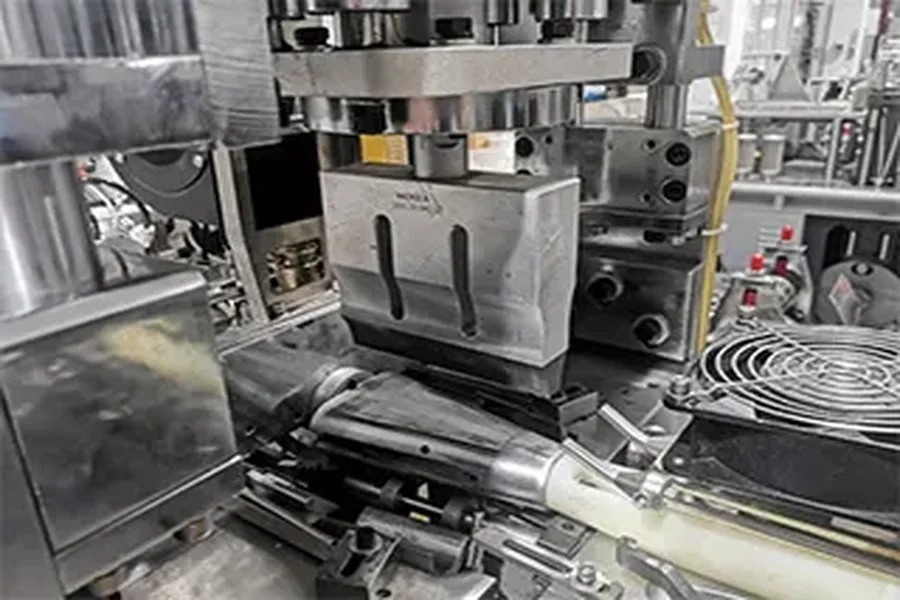
When integrating packaging film into a production line, several recurring issues can cause delays, waste, or quality defects. Recognizing these pitfalls early can significantly reduce risk.
- Film gauge mismatch: Using film thickness outside the machine’s specified range leads to feeding jams, inconsistent sealing, or film breakage. Always validate gauge against the packaging machine’s technical specifications.
- Inadequate sealing temperature control: Different film formulations require precise temperature profiles. Machines with limited heating zones or poor thermal regulation may fail to achieve consistent seals, especially at higher speeds.
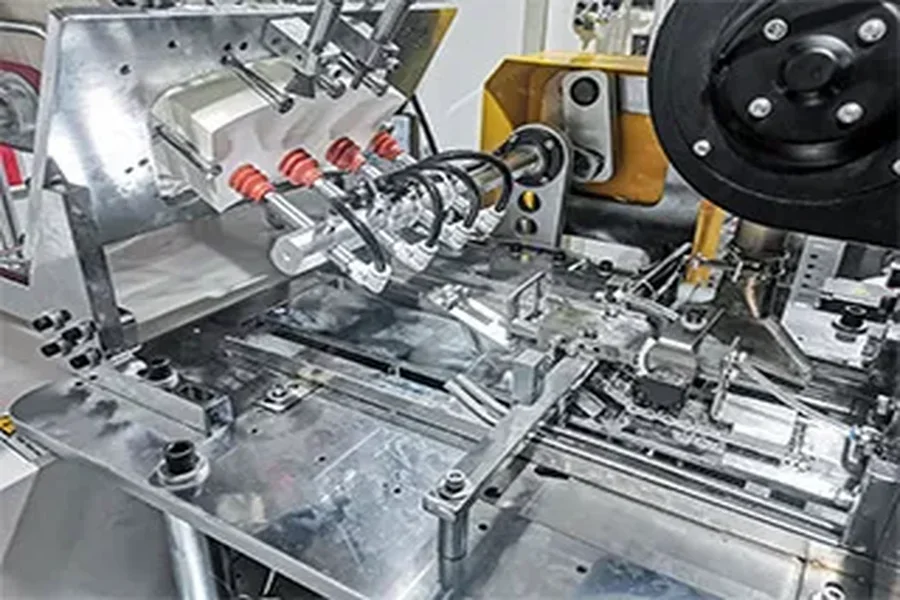
- Poor film tension management: Unwinding and tension control are critical. Without anti-air bag functions or independent motor controls (as seen in some horizontal packaging machines), wrinkles and misalignment can occur.
- Ignoring film surface treatment: For laminated or coated films, the sealing layer composition must match the machine’s heating method (e.g., hot air, ultrasonic, or heated bars).
How to Evaluate Packaging Film Solutions: A Comparison Framework
Evaluation teams should assess packaging film options based on criteria that directly affect production reliability and total cost of ownership. Below is a specification comparison of two common packaging machine configurations that dictate film compatibility.
Key Specification Comparison: Vertical vs. Horizontal Packaging Machines
| Criterion | Vertical Packaging Machine | Horizontal Packaging Machine (Four Stations) | Buyer Note |
|---|---|---|---|
| Film Feeding Direction | Vertical (gravity-assisted) | Horizontal (multi-station, independent motors) | Vertical systems are simpler but may limit film width; horizontal systems offer better tension control |
| Speed Range | Varies by configuration | Varies by configuration | Validate tested speeds with your film type before purchase |
| Sealing Technology | Typically hot air or heated bars | Anti-air bag function; independent temperature zones | Critical for heat-sensitive films |
| Film Compatibility | Requires specific gauge and coating | Broader range due to adjustable tension | Request film compatibility list from supplier |
| Space Footprint | Compact | Larger, but modular | Consider floor layout and future expansion |
Technical Fit and Operating Implications
Packaging film performance is intrinsically linked to machine design. For example, a paper cup machine with a vertical packaging module may require a different film formulation than a high-speed paper cup machine. Operating implications include:
- Changeover time: Switching between film types can be time-consuming if the machine lacks automated tension adjustment. Machines like the horizontal packaging machine (four stations) with independent motor controls reduce changeover effort.
- Waste rates: Films with inconsistent thickness or poor slip properties increase scrap. Request trial runs with your production environment.
- Maintenance: Sealing bars and heating elements wear faster when processing abrasive or thick films. Factor in spare parts availability and cost.
For double-wall or specialty containers, consult a double wall paper cup machine supplier for film recommendations that match the unique geometry.
What Should Procurement Teams Consider When Sourcing Packaging Film?
Procurement must look beyond price per roll. Key factors include:
- Supplier quality consistency: Request certificates of analysis for each lot; variations in roll diameter or core size can cause machine downtime.
- Storage and shelf life: Some films degrade under heat or humidity. Plan storage conditions and turnover.
- Compatibility with existing equipment: Not all films work on all machines. For instance, films designed for a fully automatic vertical paper cup packaging machine may not perform well on a horizontal system.
- Total cost of ownership: Include waste, changeover time, and maintenance. A slightly more expensive film that runs reliably at higher speeds can reduce overall cost.
Additionally, evaluate the manufacturer’s support infrastructure. Companies like Yongbo Machinery provide technical guidance on film selection for their machines, which can reduce implementation risk.
FAQ
What is the most common packaging film trap in paper cup production?
The most frequent issue is using a film gauge outside the machine’s tolerance, resulting in sealing defects and jams. Always check the machine manual for allowable film thickness.
Can I use the same packaging film for different machine types?
Not always. Films optimized for vertical packaging machines may not maintain tension on horizontal systems. Verify compatibility with each machine’s feeding and sealing mechanism.
How do I test a new packaging film before full implementation?
Request sample rolls and run a controlled trial on your production line. Measure seal strength, waste percentage, and speed consistency. Involve your maintenance team to assess wear on sealing components.
What role does the packaging machine supplier play in film selection?
Reputable suppliers provide film specifications and may offer pre-qualified film vendors. They can also advise on retrofit options for older machines.
Conclusion
Packaging film implementation involves multiple decision points that directly affect production efficiency and product quality. By understanding common traps, comparing machine and film characteristics objectively, and involving cross-functional teams early, B2B buyers can reduce risk and achieve reliable output. Use the comparison framework and checklists in this guide to structure your evaluation. For further guidance, explore the product range of packaging machines and consult technical resources tailored to your specific line configuration.
Related site pages: Products, Paper Cup Machine, High Speed Paper Cup Machine, Medium Speed Paper Cup Machine, Double Wall Paper Cup Machine, Paper Bowl Machine.