


Apr 27, 2026
Author: Site Editor


If you run a small or medium‑sized packaging shop, you already know the headache: one day you need thousands of 4‑oz sample cups; the next week a café chain orders 150,000 12‑oz cups with a custom bottom diameter. The question isn't "which machine is fastest?" – it's "which cup forming equipment stays productive when sizes keep changing?"
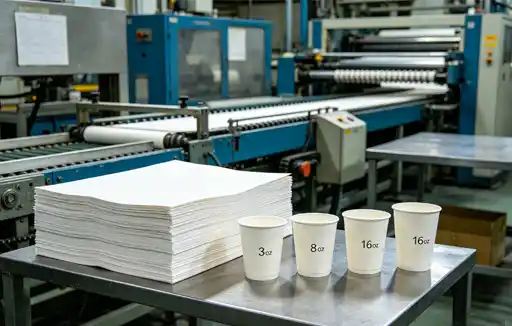
Let's walk through three overlooked selection criteria that directly affect your monthly profit, not just brochure numbers.
Many buyers fixate on "pieces per minute." But when you produce cups across the full 1.5‑16 oz range on the same machine, mold swapping frequency becomes the true productivity killer. According to industry sources, even for an experienced technician, changing a half set of molds typically takes 1-2 hours, while a full set of molds can require up to 2 days of work .
Why such a wide range? It depends on whether the cups share the same bottom diameter:
Half set mold change (same bottom diameter, same cup angle): relatively faster – usually a few hours
Full set mold change (different bottom diameter, different angle): significantly longer – typically 2 days
For a shop that changes cup sizes 3-4 times per week, these hours add up quickly. A machine's theoretical top speed means little if it spends half the week sitting idle during mold changes.
What to look for in a flexible machine:
Half-set mold compatibility across multiple cup sizes (saves both time and mold costs)
Clear marking on each mold set (top diameter, bottom diameter, height)
Well-documented change procedures
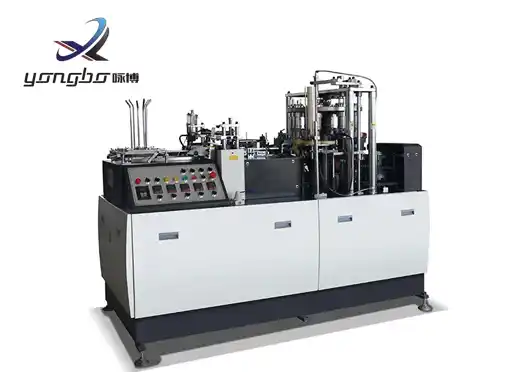
Your electricity bill doesn't lie. Let's look at actual published specifications from real equipment.
For the YB-9 intelligent medium-speed cup forming machine (designed specifically for 1.5‑16 oz range), the published average power consumption is just 4 kW .click here to view configuration options.
Compare that to other options on the market:
| Machine Type | Power Rating | Speed Range | Weight |
|---|---|---|---|
| Medium-speed (YB-9 class) | 4 kW avg | 75-85 cups/min | ~1,680-1,750 kg |
| Other medium-speed models | 9-22 kW | 60-120 cups/min | 2,500-3,600 kg |
Why the huge difference? Some machines use significantly larger motors and heating systems. For a shop running 8-hour shifts, this power gap can translate into real monthly savings. Lower power draw also means less heat generated in your workshop – a meaningful benefit in warmer climates.
Not all machines handle the full 150-350 gsm paper range equally well. Lightweight paper for 1.5‑2 oz cups is prone to curling; heavy 350 gsm stock for 16 oz containers requires stronger feeding traction without tearing.
The YB-9's published specifications show it accepts 150-350 gsm single PE coated paper . Key design features that support reliable feeding across this range include:
Servo tracking feed – automatically adjusts tension for different paper rolls, helping to lock the size of the cup bottom paper and effectively save raw materials
High-precision CAM drive with gear drive – ensures each station forms accurately and correctly
Multiple paper feeding stages – three times of paper feeding with multiple mediation to avoid unevenness on both sides of the cup
A Colombian packaging startup initially purchased a used high-speed line. After six months of struggling with frequent mold changes and high power bills, they evaluated their actual needs: daily size changes, mixed orders, and a small but growing team.
They chose a medium-speed click here to view configuration options and found:
Downtime for mold changes became predictable and manageable
Power consumption stayed within their workshop's electrical capacity
Operator training took less time because controls were more straightforward
The high-speed unit's extra cycles meant nothing when they lost hours resetting for different cup heights.
A proper lubrication system directly affects machine uptime. According to industry maintenance guidelines, daily lubrication checks should cover gearboxes, camshafts, and chains . Machines with auto-lubrication systems save significant labor time.
The YB-9 is built with an integral steel plate body and an oil-type circulating lubrication system . This design helps ensure long-term normal and stable operation of the equipment, reducing manual greasing points and minimizing the risk of overlooked maintenance .
Industry data suggests that sticking to routine maintenance schedules cuts unexpected stoppages significantly . Key daily tasks include:
Cleaning molds and removing paper residue
Checking pneumatic pressure (should be 0.6-0.8 MPa per YB-9 specs)
Inspecting heating elements for residue buildup
Today's buyers also care about material options. The YB-9 specification confirms compatibility with 150-350 gsm single or double PE coated paper . This flexibility matters because:
Different markets prefer different paper weights and coatings
PLA coated paper options align with environmental regulations in Europe, America, and Russia
Recycling considerations are increasingly important – industry sources note that PE-coated cups have very low actual recovery rates (less than 1%), driving interest in alternative materials
Before you decide, run your numbers through this simple framework:
| Your typical batch | What to prioritize | Why |
|---|---|---|
| Frequent size changes | Mold change speed & half-set compatibility | Downtime will dominate your production |
| Limited electrical capacity | Lower average power (4-5 kW range) | Avoid facility upgrades |
| Small to medium batches | Steady 75-85 cups/min vs peak speed | Match actual demand, not brochure claims |
For most converters with a 1.5‑16 oz range and daily size changes, a modern medium-speed unit with servo feed and reliable lubrication delivers the best balance of flexibility and efficiency.
If you need equipment designed for real-world size flexibility – not just top speed – explore the intelligent medium-speed platform here. The right machine shouldn't force you to choose between versatility and productivity.


 English
 Pусский


